What is a stop-loss (and how it can backfire)
By Maya Koeva · September 3, 2026 · 3 min read
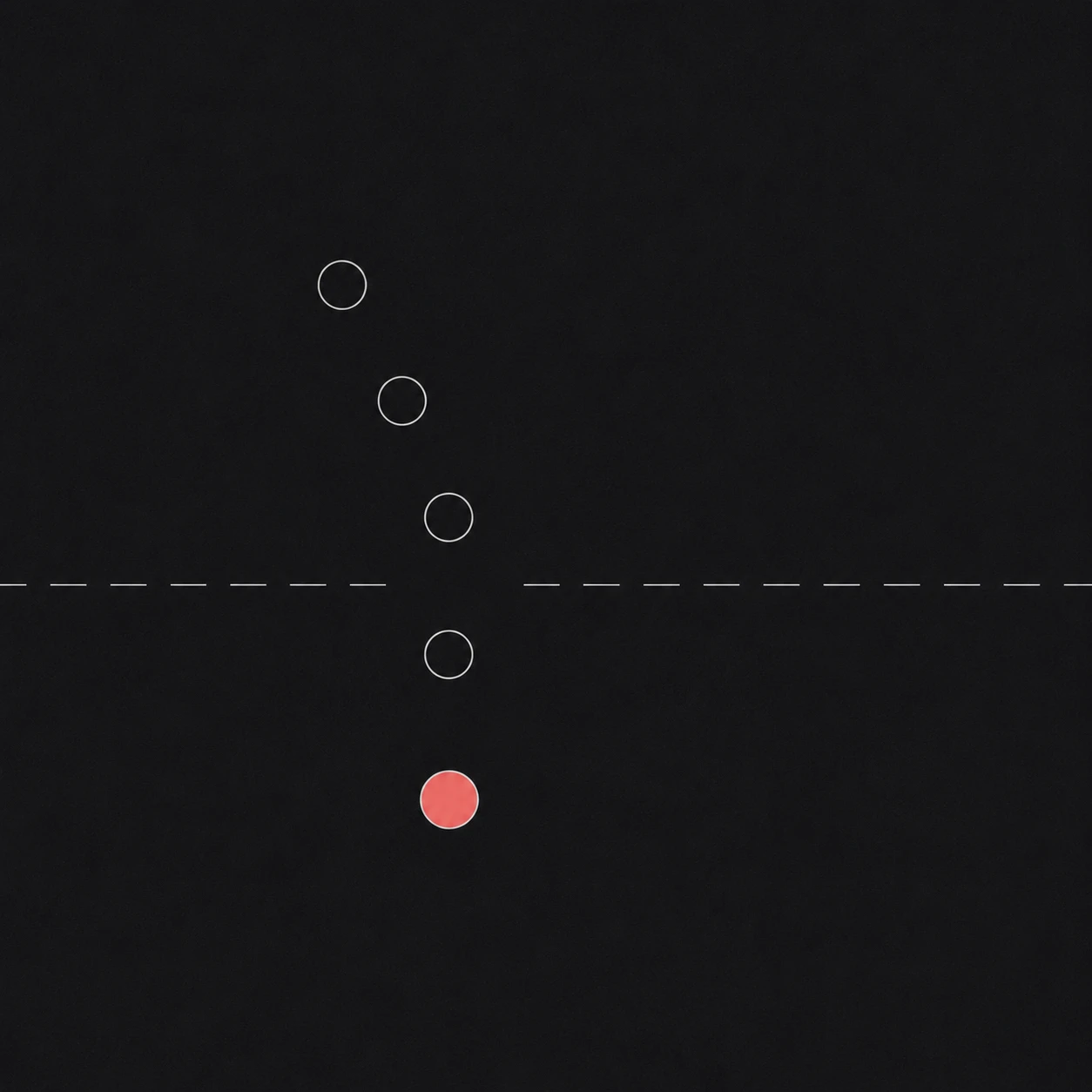
A stop-loss is the closest thing retail investing has to a seatbelt, and like a seatbelt it is mostly a good idea. But it also has a handful of ways to go wrong that nobody mentions when they tell you to always use one. Knowing both sides is the difference between a tool that protects you and one that quietly shakes you out of your best positions.
What it is
A stop-loss is a standing order to sell a stock automatically if its price falls to a level you choose. Buy at $100, set a stop at $90, and if the stock trades down to $90 the order fires and sells you out. The idea is simple: decide your maximum acceptable loss in advance, and let the order enforce it so you do not have to make the call in the heat of the moment.
Why people use it
The appeal is real. A stop-loss caps your downside, enforces discipline, and takes the emotion out of the hardest decision in investing, which is admitting you were wrong and selling. For people who tend to hold losers hoping they come back, it can be genuinely protective.
How it backfires
Here is the part that gets left out. The mechanics that protect you can also work against you.
- Normal noise triggers it. Stocks wiggle. A stop set too close gets hit by ordinary daily volatility, sells you out at the low, and then the stock recovers without you. Death by a thousand small stops is a real way to lose money slowly.
- Gaps blow right through it. A stop is not a guaranteed price, it is a trigger to sell at the next available one. If bad news drops overnight and the stock opens far below your stop, you get filled down there, not at your level. The seatbelt does not stop the crash, it just sells you at the bottom of it.
- Thin stocks whip you. In low-float or illiquid names, a small amount of selling can spike the price down to hunt stops and then bounce, taking you out on a move that was never real.
Using it better
The fixes are mostly about not setting it on a hair-trigger. Place a stop where your reason for owning the stock would be broken, not at a round 10% that has no meaning to the company. And size your position so a normal drawdown does not scare you, because the best defense against a bad stop is not needing a tight one in the first place. A stop-limit order (which refuses to sell below a floor) avoids catastrophic fills but risks not selling at all, so it is a trade-off, not a free fix.
How it shows up in the signals
Stops interact badly with exactly the names the crowd gets loudest about: hyped, volatile, low-float stocks where a sentiment reversal can trigger a cascade of stop-driven selling, each fill pushing the price into the next one. When a crowded name rolls over, part of what you are watching is stops firing into stops. That is worth remembering before you set a tight one on a stock everyone is talking about. For a sense of how fast a loud name can turn, our AMD autopsy walks through a 7% pop that round-tripped within a day.
The bottom line
A stop-loss automatically sells you out at a preset price to cap a loss, and used thoughtfully it enforces discipline. But it does not guarantee your price, it gets triggered by normal noise, and it is most dangerous on the volatile names where people reach for it most. Set stops at the level where your reason for owning the stock actually breaks, not at an arbitrary percentage, and size positions so you are not relying on a hair-trigger to sleep at night.
Quantral surfaces signals and context from public sources to support your own research. Nothing here is financial advice or a recommendation to buy or sell.